
What Is Digital Marketing and Why Does It Matter?
Before we get into specifics, it’s important to understand why digital marketing is crucial, especially for small businesses. Unlike traditional marketing methods, digital marketing allows for precise targeting, real-time data-driven decisions, and cost-effective campaigns.
For entrepreneurs giving their all to launch or sustain a business, it offers an invaluable way to meet your audience where they are—online. Now, let’s dig into the areas guaranteed to deliver results.
Mastering the Basics of SEO
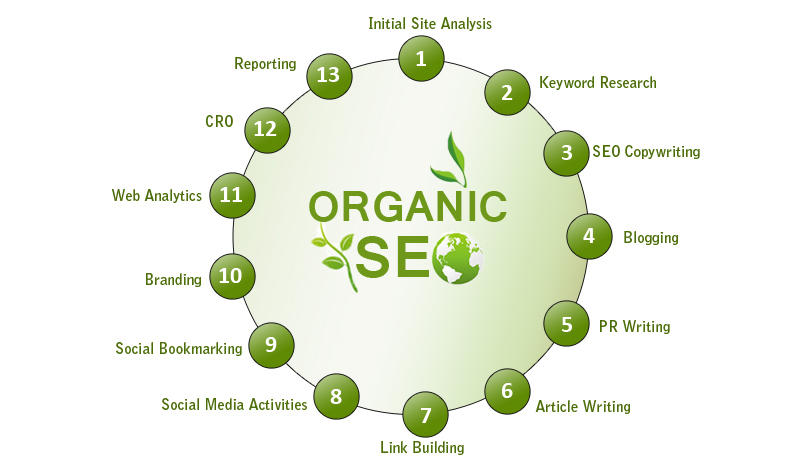
Search Engine Optimization (SEO) is often referred to as the backbone of digital marketing strategies. When done correctly, SEO helps your website rank higher on search engines like Google, making it easier for potential customers to find you.
What Does SEO Do for Your Business?
- Visibility: Boosts your chances of being found by people searching online.
- Credibility: Higher-ranking websites often attract more trust from users.
- Cost-Effectiveness: Unlike paid strategies, SEO traffic is organic and sustainable.
SEO Best Practices for Beginners
Here’s how you can get started with foundational SEO tactics for your small business:
- Keyword Research: Use free tools like Google Keyword Planner or Ubersuggest to find what your audience is searching for. Include high-volume but low-competition keywords relevant to your business.
- Optimize On-Page Content:
- Add those keywords naturally into your website’s headings, meta descriptions, and body text.
- Don’t forget alt text for images to improve accessibility and rankings.
- User-Friendly Experience:
- Ensure your website is mobile-friendly.
- Improve loading speed, as most users abandon sites that take longer than 3 seconds to load.
- Build Backlinks:
- Collaborate with other businesses or blogs to earn valuable backlinks that signal credibility to search engines.
SEO takes time to show remarkable results, but persistence with optimization will always pay off.
Getting Results with Google Ads
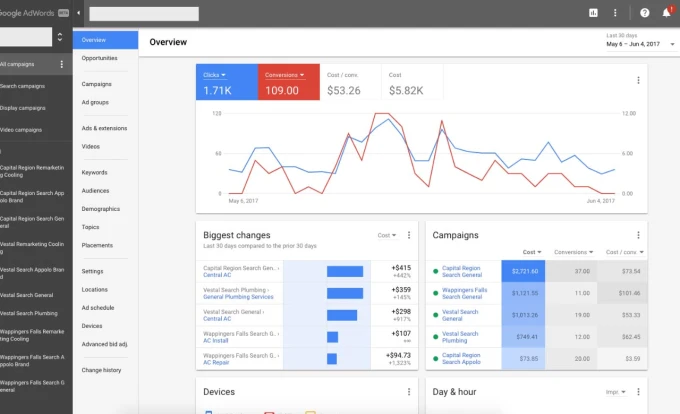
When you’re ready to see more immediate results, Google Ads (formerly Google AdWords) becomes a natural next step. Google Ads can help your business appear at the top of results pages for paid terms, offering unparalleled visibility.
Why Use Google Ads?
- Quick Results after precise targeting.
- Budget Flexibility (you decide how much to spend daily).
- Analytical Insights to track ROI and continuously refine campaigns.
Google Ads Tips for Beginners
To create successful ads that won’t drain your budget, follow these tips:
- Start with Clear Goals:
- Are you driving traffic, capturing leads, or boosting online sales? Have an objective in mind.
- Targeting Options:
- Use audience demographics and location settings to limit your campaign to relevant users.
- Write Standout Ad Copy:
- Focus on addressing a pain point and include a clear call-to-action (e.g., “Get a free quote today!”).
- Use Ad Extensions:
- Extensions such as sitelinks or call extensions can increase click-through rates by providing extra layers of information.
- A/B Test Your Campaigns:
- Create multiple ad variations to determine which performs best.
With smart planning, Google Ads can become a powerhouse tool for your online visibility and growth.
Expanding Reach Through Facebook Ads
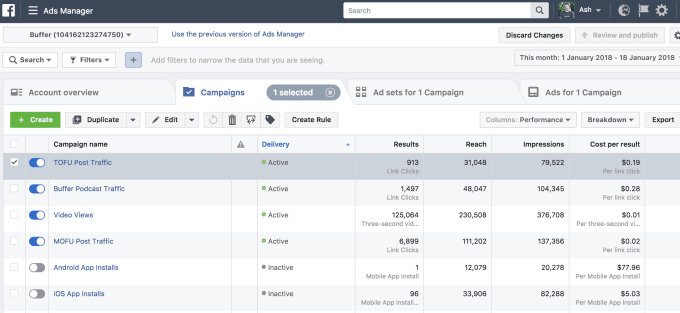
Facebook remains one of the most versatile platforms for advertising, especially for small businesses. Leveraging Facebook Ads is an affordable way to build communities, generate leads, and increase sales.
Why Facebook Ads Work Well for Small Businesses
- Highly Targeted Users through parameters like age, location, and interests.
- Visual Storytelling with carousel posts, videos, or image-based ads.
- Affordable Entry—you can run ads with just a modest daily budget.
Facebook Ads Best Practices
- Know Your Audience:
- Facebook’s Audience Insights tool can help you better understand and define your audience.
- Focus on Engaging Visuals:
- Invest in high-quality images or short videos for your advertising.
- Use Retargeting:
- Facebook Pixel helps track website visitors and allows you to retarget ads to users who previously engaged with your brand.
- Write Short, Impactful Copy:
- Keep it concise, use action-driven language, and highlight unique selling points.
- Monitor Ad Performance:
- Use Facebook Ad Manager to track metrics like impressions, clicks, and cost-per-action (CPA).
Like Google Ads, experimentation and analysis of results are key here.
Capturing Local Audiences Through Local SEO
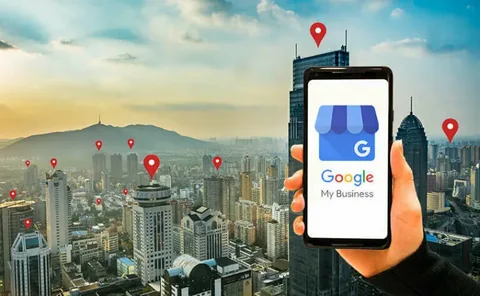
It’s not all about digital ads; for brick-and-mortar businesses, Local SEO remains a pivotal piece of the puzzle. Local SEO allows you to connect with people in your geographic area searching for products or services like yours.
Why Local SEO Matters
- Reaches People Nearby looking for businesses “near me.”
- Improves Foot Traffic for stores or offices with physical locations.
- There’s Less Competition since you’re targeting a smaller audience.
Local SEO Best Practices
- Create a Google My Business (GMB) Account:
- List your business on Google My Business to show up in local search results and Google Maps.
- Encourage Reviews:
- Ask satisfied customers to leave reviews on your GMB profile. Positive reviews boost rankings and establish trust.
- Add Local Keywords:
- Include your city or neighborhood in your website content, title tags, and meta descriptions. (E.g., “Top cupcake shop in Brooklyn.”)
- Use Local Listings:
- Ensure your business is listed consistently across platforms like Yelp, Bing, and TripAdvisor.
- Optimize for Mobile:
- Most local searches happen on mobile, so ensure your website is responsive.
Local SEO is your ticket to being the go-to choice for customers in your area.
Begin Your Digital Marketing Journey Confidently
The scope of digital marketing is vast, but by starting small with essential strategies like SEO, Google Ads, Facebook Ads, and Local SEO, you’ll create a strong foundation for business growth. Digital marketing offers efficiency, affordability, and—most of all—a way to connect meaningfully with your customers.
If you’re exploring how to get started, take these strategies one step at a time. Test, learn, and refine as you go. The digital landscape is full of opportunities—grab them and watch your business thrive!
